
How to Get My Local Business on Google Maps
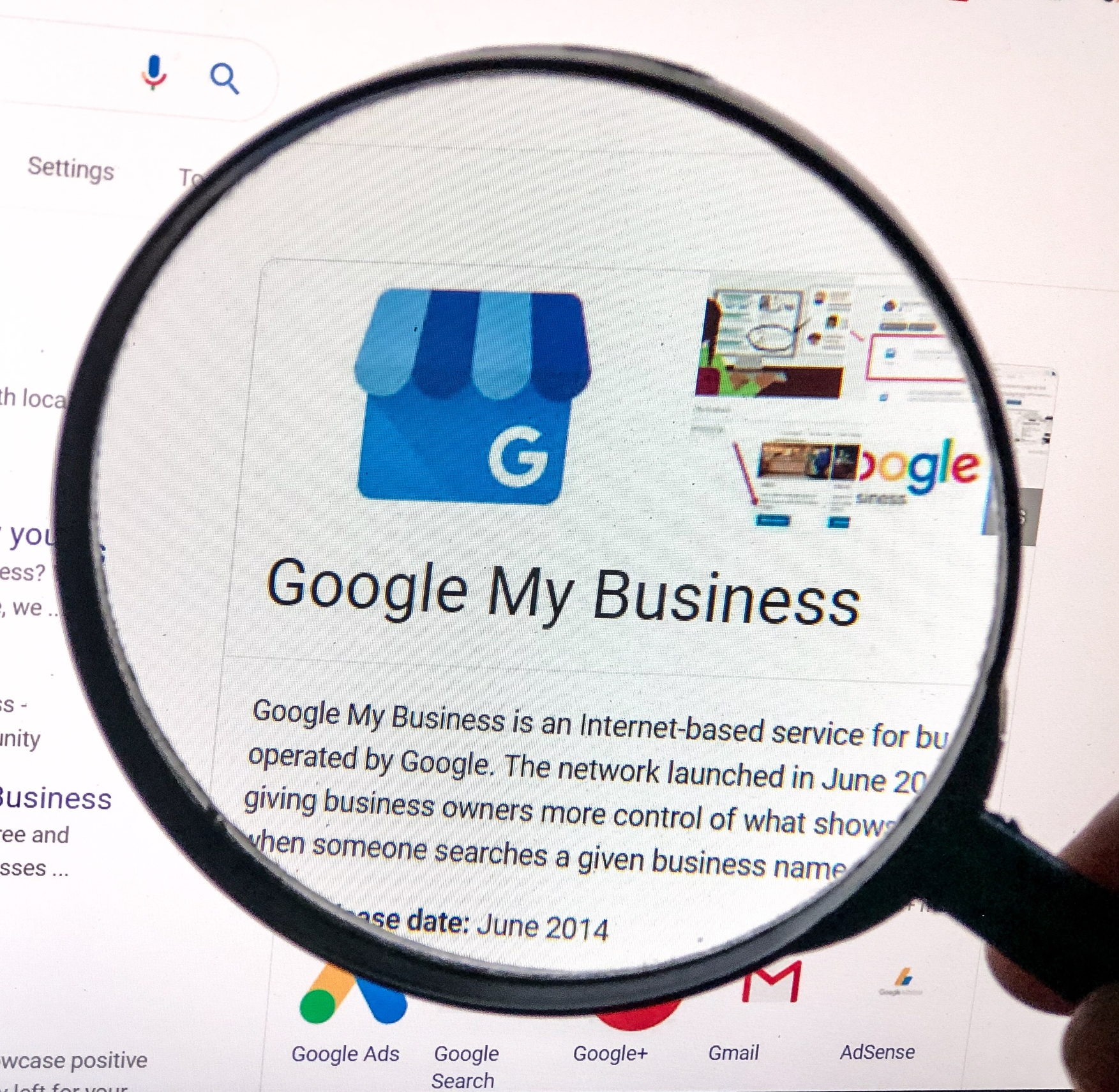
A practical guide for UK local business owners who want to get their business onto Google Maps. Covers listing setup, common issues, and what to do once the business is visible.

Frameworks, strategies, and insights to master customer reviews and grow your business.

A practical guide for UK local business owners who want to get their business onto Google Maps. Covers listing setup, common issues, and what to do once the business is visible.

A practical guide for UK local businesses comparing reputation management agencies. Covers what to look for, what to avoid, and how to judge whether a simpler managed service may be a better fit.

A practical guide for UK local businesses that want to understand reputation management properly. Covers reviews, complaints, visibility, and what a steady reputation-management process should include.

A practical guide for UK small businesses on removing bad Google reviews. Covers what Google may remove, how reporting works, and what to do when a negative review stays public.

A practical guide to simple Google review templates for UK local businesses. Includes easy message examples for SMS and email, plus advice on timing, tone, and building a consistent review request process.

A practical guide for UK small business owners who need to confirm their business on Google. Covers what verification means, why it matters, common issues, and what to do after your business is verified.

A practical guide to reputation management services for local businesses, including what matters, what to avoid, and how to choose a service that actually helps.

A simple guide to what online reputation means for local businesses, why it matters, and how to strengthen it over time.

A practical guide for local businesses on whether Google reviews can be removed, when to report them, and how to protect your reputation if they stay live.

A practical guide to asking for reviews consistently, with simple wording, timing advice, and a repeatable process for local businesses.

A practical guide to how Google reviews affect visibility and trust for UK small businesses, and what a sensible review process looks like in practice.

A lot of garage owners point to a QR code at reception and assume that is enough. It is a useful prompt, but on its own it is usually too passive to generate reviews consistently. By the time a customer is collecting their keys, paying, or heading back to work, leaving a review is rarely their priority.

Feedback conversations — particularly those involving complaints — are one of the most overlooked sources of qualified business opportunities in service industries. Most businesses treat them as damage control. This misses the point entirely.

Message marketing underpins effective review strategies by combining service updates, free gift offers, and review requests in coherent campaigns. Understanding when to use email versus SMS, maintaining sensible frequency, and segmenting properly creates helpful communication.

Free gifts used solely to generate reviews represent wasted opportunity. When designed properly, incentives serve dual purposes — encouraging feedback while creating natural reasons for customers to return.

Without systematic review collection, only a small fraction of satisfied customers ever leave feedback voluntarily. That silence has a measurable cost — in visibility, conversion, and competitive position.

Most businesses send every customer straight to Google regardless of their experience. A review funnel gives each person the right next step — making it easy for satisfied customers to share publicly, while giving others a direct line to you first.

Offering incentives for reviews creates tension between encouraging feedback and staying compliant. Here is how to design free-gift systems that motivate honest responses without manipulating outcomes.

Most review requests fail not because customers are unwilling but because the request arrives at the wrong moment, uses the wrong channel, or feels transactional. Here is how to get all three right.

Most businesses track review metrics inconsistently, celebrating totals without asking what they mean. A structured measurement framework turns reviews from a vanity exercise into a strategic asset.

Negative reviews are inevitable. How you respond to them matters more than the review itself — and a well-handled complaint can build more trust than a string of perfect ratings ever could.


Most businesses know they need more reviews. The gap between knowing and having a system that reliably delivers them is bridged by structure, not effort.
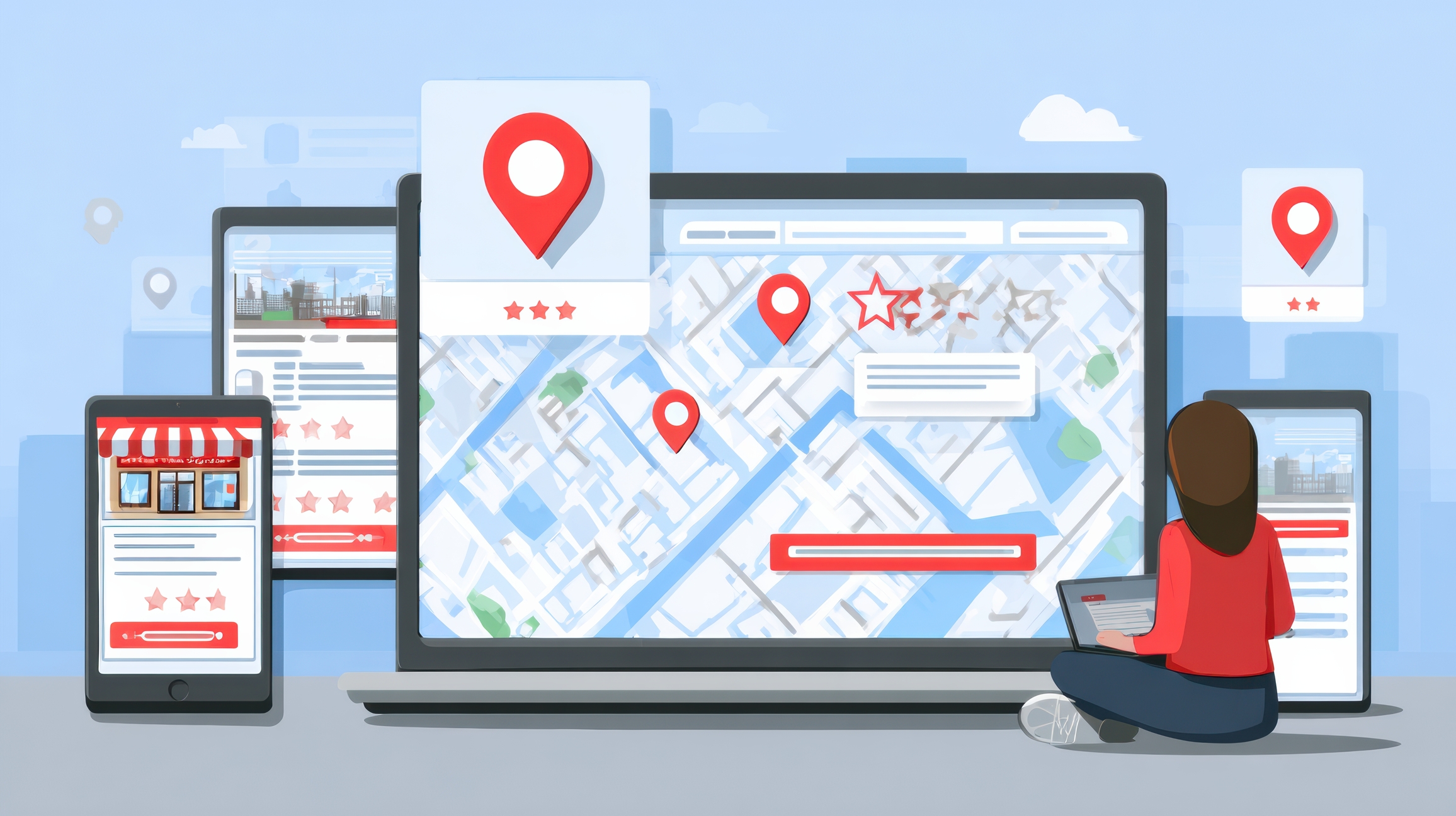
Buyers don't ignore marketing because it's untrue. They discount it because it's self-authored. Reviews feel like independent evidence — and the psychology behind that distinction explains everything about how trust works in local markets.

Reviews do more than build trust — they sit at the intersection of trust and visibility. They influence how often your business appears in local results, where it ranks, and whether people click when they see you.

Most businesses treat reviews as a by-product of good service. A review flywheel takes a very different view — treating every completed job as the starting point for the next customer. The difference is not effort. It is structure.

You cannot future-proof platforms, but you can future-proof principles. Reputation strategies that focus on fundamentals adapt naturally to change — here is what those fundamentals look like.

Traditional advertising creates attention. Reputation creates permission. For local businesses, reputation management has become the trust layer that determines whether that attention ever converts.

Most businesses quietly delight customers every day - yet their Google profile tells a different story. Here is why satisfied customers stay silent, and how a structured process changes that.
Discover how local businesses turn both positive and negative feedback into more sales.


Enter your details below and we'll send it straight to your inbox.