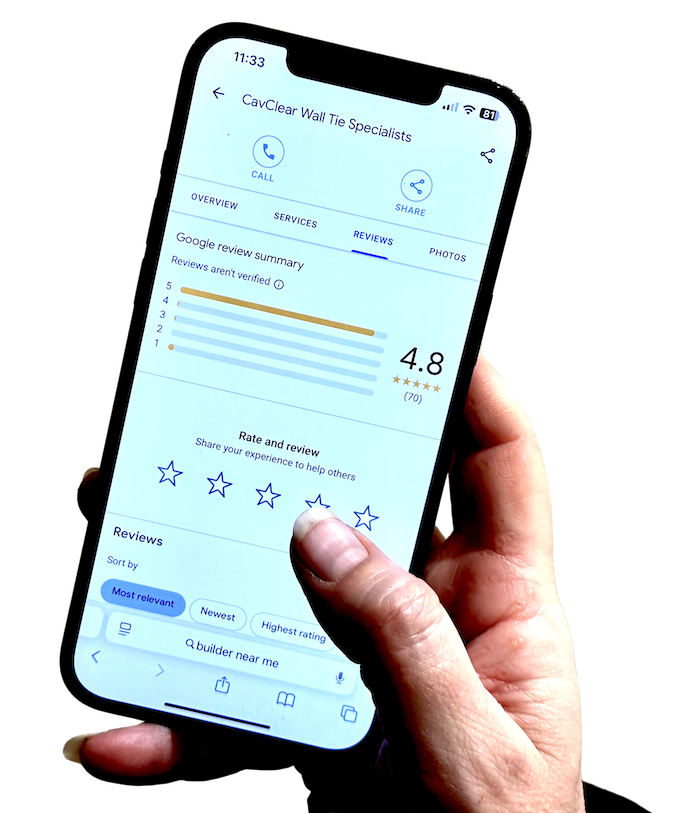
If you run a local business, you already know your reputation matters.
You also probably know how easy it is for reputation-related jobs to slide down the list. A review comes in and you mean to reply later. A customer shares a concern and you plan to follow up tomorrow. You tell yourself you will check everything properly at the end of the week. Then the week fills up, and it slips again.
That is why reputation monitoring services appeal to so many business owners in the first place. The idea sounds sensible. Stay aware of what customers are saying, spot issues early, and protect your online reputation without turning it into another job.
The problem is that many business owners do not want another dashboard to watch, another login to remember, or another task hanging over them. A lot of reputation management software and dashboard-first systems promise control, but often create more noise than clarity.
What most people actually want is simpler. They want a practical way to stay on top of online reviews, feedback, and reputation issues without adding more admin. They want a calmer way to keep track of what customers are seeing, how the business looks online, and whether anything needs attention.
This article explains what reputation monitoring services really mean, what is worth keeping track of, and how to build a lighter-touch process that works in real life.
What reputation monitoring services actually mean
At a basic level, reputation monitoring services help you stay aware of the things that shape how your business is seen. They sit within wider reputation management, but their role is straightforward. They help you notice what matters before it becomes a bigger problem.
For most local businesses, that usually means public reviews, private feedback, complaints, unanswered items, and signs that customer sentiment is shifting. In some cases it can also include public mentions on social media, directories, or search results if those are places your customers genuinely check.
It is not really about collecting endless data. It is about making sure the important signals do not get missed. Good reputation monitoring should support review follow-through, make it easier to respond properly, and help protect your reputation before small problems grow.
📖 Definition
In practical terms, reputation monitoring means keeping track of the public and private signals that affect trust in your business, then making sure something useful happens next.
That distinction matters because many business owners hear the word “monitoring” and picture graphs, alerts, and complicated tabs they never quite get round to checking. In practice, a good process should feel much more straightforward than that.
It should help you answer simple questions. Are new reviews coming in? Has anything negative appeared that needs attention? Are customers raising the same issue more than once? Is your reputation staying active and healthy, or quietly going stale?
If a service helps you answer those questions clearly and consistently, it is doing its job. If it creates more noise than clarity, it probably is not.
Why local businesses struggle to keep track consistently
Most business owners do not neglect their reputation because they do not care. They neglect it because the work is easy to postpone.
If you are running a busy garage, dental practice, salon, plumbing business, or another local service company, your attention is already stretched across customers, staff, suppliers, admin, and the usual daily interruptions. Reputation work often ends up in the “important, but not right now” category.
That is where inconsistency starts.
There is also an emotional side to it. Reviews and feedback feel personal. A public complaint can feel heavier than a routine admin task because other people can see it. Even when the issue is minor, the visibility makes it easier to avoid. A business owner may know it matters, but still put it off because it feels awkward, public, and mentally draining.
Then there is the practical issue of follow-through. Many businesses rely on someone remembering to check manually. That might work for a while, especially when things are quiet. But when business gets busy, the habit usually breaks.
This is why so many reputation processes start with good intentions and slowly fade. The problem is not knowing that reputation matters. The problem is building a process that still works when real life gets in the way.
💡 Key Insight
For most local businesses, the real issue is not access to information. It is consistency. The process has to keep working when the owner is busy, distracted, or focused on higher-priority jobs.
What is actually worth monitoring in your reputation
One of the quickest ways to make reputation work feel overwhelming is to watch too much.
Most local businesses do not need to keep track of everything. They need to stay aware of the things that affect trust and need action.
First, keep track of new public reviews. You need to know when they appear, what they say, and whether they need a response. This is the most visible part of your reputation, so it deserves regular attention.
Second, keep track of private feedback. Good customer feedback handling can improve the customer experience, strengthen trust, and protect your reputation before issues become public. In many cases, this is where the most useful and honest feedback appears.
Third, keep track of complaints or recurring concerns. One awkward comment may not mean much on its own, but repeated problems usually point to something operational that needs sorting properly.
Fourth, keep track of review recency. A strong rating helps, but recent feedback often shapes trust just as much. Fresh reviews make the business look active, current, and reliable.
Fifth, keep track of unanswered items. A problem that sits untouched usually does more harm than one handled promptly and calmly. That applies to negative reviews, complaints, and direct customer feedback.
🗒 Checklist
If you want to keep it simple, stay aware of these five things:
- New public reviews
- Private feedback coming in
- Repeated complaints or patterns
- How recent your latest reviews are
- Anything still waiting for a response
That is usually enough. You do not need constant complexity. You need a clear view of what matters and what needs a next step.
Reviews, private feedback, and complaints: what is the difference
These terms often get blurred together, but they are different.
A review is public. It shapes how future customers see you on Google and other review websites. If you also display customer reviews on your own website, those public signals become even more important.
Private feedback is shared directly with the business. It gives the customer a way to raise a concern without that being the only route available to them. This can be useful because it gives you a chance to understand and deal with a problem early.
A complaint is more serious than general feedback. It usually needs a proper response, not just acknowledgement. It may point to a service failure, communication issue, or process gap that affects trust more widely.
These differences matter because the right response is different in each case. A positive review may need a warm, simple reply. Private feedback may need a call or follow-up conversation. A complaint may need clear ownership and internal action.
📌 Important
Giving customers a way to share concerns privately should never mean blocking access to Google reviews. All customers should still be able to leave a public review if they choose to.
That point matters because a compliance-safe process is not about hiding criticism. It is about creating a sensible route for concerns to be raised early while keeping public review access available to everyone.
Why more alerts and dashboards do not always help
It is easy to assume that more visibility means more control. In practice, more alerts often just mean more background noise.
If every review, comment, and small signal creates another notification, the important things get buried among the routine ones. After a while, you stop paying proper attention.
The same thing happens with dashboards. A dashboard may look organised, but if it still depends on you remembering to log in, interpret the information, and decide what to do next, it has not removed much mental load.
This is where many reputation monitoring services go wrong. They solve the problem in theory, but not in behaviour. They collect information from multiple places, but still leave the owner carrying the real work.
For a busy business owner, the better question is not, “How much information can I see?” It is, “Will I reliably know when something actually needs my attention?”
That is a far more useful standard.
What a simple reputation-monitoring process looks like
For most local businesses, the best process is usually a simple one.
Start by being clear about where reviews appear. For many businesses, Google will be the priority, though some may also need to watch a second review site or a key social channel if customers genuinely use it.
Give private feedback a proper route. Customers should have a clear way to raise concerns directly, which helps deal with problems earlier and more calmly.
Decide what needs urgent attention. Not every comment needs an immediate response, but complaints with specifics, repeated issues, or anything that risks becoming a wider trust problem should be visible quickly enough for someone to act.
Use a weekly review rhythm. A simple weekly check is often enough for small businesses. That is much more sustainable than relying on memory.
Make one person responsible. If everybody assumes somebody else is keeping track, no one really is.
Finally, link awareness to action. A process only matters if it leads to something, whether that is replying, following up privately, improving a process, or restarting review momentum if things have gone quiet.
🧭 Framework
A simple process for staying on top of reputation without creating more admin
- Notice — Stay aware of new reviews, feedback, and complaints.
- Assess — Decide what needs a reply, a follow-up, or internal action.
- Respond — Deal with the issue calmly and clearly.
- Review — Look for patterns and stale spots before they become bigger problems.
When manual checking is enough and when it is not
Manual checking can be enough in some cases.
If you have a low volume of reviews, one location, and a team that can genuinely stay consistent, a weekly check and a clear owner may be perfectly workable. For some smaller businesses, that is enough to stay visible and keep things under control without adding complexity.
But manual checking usually starts to struggle when feedback arrives more often, nobody clearly owns the task, replies become inconsistent, complaints sit too long, or review momentum drops and no one notices until much later.
That is usually the tipping point.
At that stage, the problem is no longer access to information. The problem is consistency. That is where a more managed approach can help, because the real issue is often follow-through rather than visibility alone.
How monitoring links to response, follow-up, and review growth
Keeping track matters, but only if something happens next.
A new review is useful to know about, but it becomes more valuable when it is replied to. Private feedback is useful to receive, but it only protects the business when someone follows up properly. A complaint is useful to spot early, but only if the business takes ownership and resolves it.
The same is true for review growth. If you stay aware of what is happening, you can see when momentum is healthy, when it has slowed, and when the business may need a more consistent review request process.
That is why reputation monitoring should not be seen as a separate job in isolation. It sits inside a wider loop: stay aware, respond appropriately, follow up properly, learn from patterns, and keep review momentum steady.
When that loop is working, it supports business growth, improves the customer experience, and helps build a steadier reputation over time.
Managed support vs trying to keep track of everything yourself
Some businesses are happy to keep everything in-house. Others know from experience that jobs like this quietly slip when things get busy.
Trying to keep track of everything yourself sounds efficient on paper, but it often creates hidden costs in the form of mental load, inconsistency, and delayed follow-up.
Managed support changes that.
Instead of asking the owner to carry the whole process, a managed service helps keep the routine steady. Reviews are kept moving. Concerns are picked up. Momentum is noticed when it slows. The business stays aware without needing to build its own mini system around it.
A good managed service should not just hand you software and disappear. It should help reduce burden, improve consistency, and support stronger follow-through over time.
That is often the real value. Not more control for its own sake, but less strain and more consistency. For many local businesses, that becomes a real advantage.
When monitoring turns into repair
In some cases, you are not just trying to stay aware. You are trying to recover from a rough patch.
That might mean recent negative reviews, repeated complaints, old listings in search results, or unhelpful content shaping online perception before customers even get in touch. In more serious cases, a business may also be dealing with a small reputation problem that needs more deliberate handling.
For most businesses, though, the better approach is to catch issues early enough that they do not become a repair job. Strong follow-through, better customer feedback handling, and a steadier way of keeping track make that much easier.
A practical next step for staying on top of reputation without more admin
If you want to improve how you keep track of your reputation, start small.
Ask yourself three questions. What do we actually need to stay aware of each week? Who is responsible for noticing it? What happens after we notice it?
If the answers are vague, that is usually the real issue.
A good next step is to create a simple one-month routine. Decide where reviews are checked, how private feedback is handled, what counts as urgent, and who owns the process. Keep it light enough that it will still happen when the business is busy.
If even that feels like more admin than you want to hold, that is useful to know too.
It usually means the answer is not another dashboard. It is a more reliable, more managed way to stay on top of what matters.
Ready to See What This Looks Like for Your Business?
Trusted Reviews 4U coordinates email and SMS review campaigns on your behalf, with managed follow-through, smart routing, and a calmer process for busy local businesses. You focus on running your business; we handle the review growth. See what this looks like for your business →