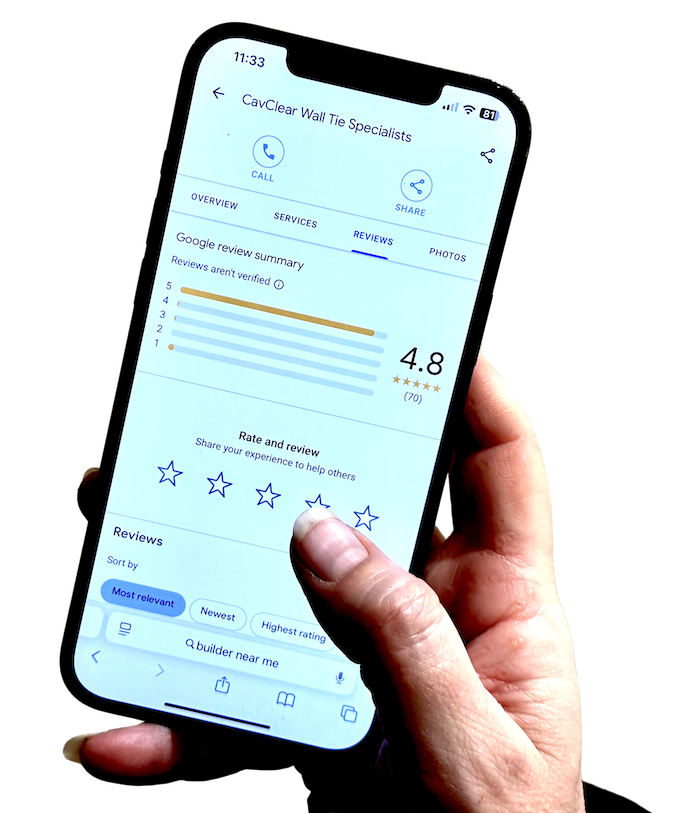
Most local business owners already understand that collecting feedback from clients is useful. The challenge is not awareness, but consistency. Gathering client feedback is vital for business growth, fostering loyalty, and driving innovation.
In many businesses, feedback tends to fall into the category of “something we’ll get round to”. A client might mention something helpful in passing, raise a small issue after a job, or send a positive email that never gets recorded. These moments are valuable, but without a system, they are easily lost in the pace of day-to-day work. Centralising data is essential to get a 360-degree view of customer feedback and ensure nothing is overlooked.
This usually is not a question of whether the business cares. More often, it comes down to the absence of a clear and repeatable process. When workloads increase, feedback becomes another task that depends on memory or spare time, which makes it unreliable. Using quick input methods can make feedback collection more efficient and less burdensome for both staff and clients.
For that reason, the goal should not be to design a complex process. A simple, repeatable system that can run even during busy periods is far more effective. This guide explains why feedback matters, how it differs from public reviews, why it often becomes inconsistent, and how to build a system that is easy to maintain with a forward-looking approach that emphasises future improvements and growth.
📖 Definition
A useful feedback system is not complex. It is a simple, repeatable process that keeps running even when the business gets busy.
Why collecting feedback from clients matters
Client feedback provides a more accurate view of how your business is experienced in practice, rather than how you assume it is experienced.
A business can deliver strong results while still having small areas of friction. For example, calls may not be returned quickly enough, booking confirmations might be unclear, or communication may vary depending on the channel used. These issues are not always obvious internally, but they often appear consistently in feedback. Including specific details in feedback, such as examples from a year-end review or survey, provides actionable insights that help target improvements more effectively.
Another advantage of feedback is that it is usually private. This means clients are often more open about small frustrations or uncertainties than they would be in a public review. That kind of honesty is particularly valuable because it highlights issues early, before they develop into larger problems. Valuable feedback directly influences product updates and ensures they meet customer needs.
For many local businesses, feedback also reduces guesswork. Instead of relying purely on instinct, you gain a clearer understanding of what customers value and where improvements can be made. In that sense, feedback is not just an optional extra but a practical way to understand how your business is actually performing. Remember, feedback requests work best when they are framed as part of doing your job well, not as a bid for reassurance.
The difference between client feedback and public reviews
Although they are closely related, client feedback and public reviews serve different purposes. Customer feedback provides important context for understanding client experiences, helping you interpret their needs and expectations more effectively.
Client feedback is typically private and used to improve the customer experience. Public reviews, on the other hand, are visible and help future customers form an impression of your business. When requesting feedback from clients, it is important to ask them to provide details about their experience, as specific information helps you identify areas for improvement and tailor your services accordingly.
For example, a client might tell you privately that communication felt slower than expected, even if they would not include that in a public review. That insight is still extremely useful, as it highlights an area that can be improved without affecting your public reputation.
It is important to keep this distinction clear. If every piece of feedback is treated as something that should become a public review, clients may be less willing to be honest. Equally, if private feedback is not collected at all, the business loses an opportunity to improve early.
A balanced approach allows feedback to support internal improvement, while reviews continue to build external trust.
📌 Important
Private feedback helps you improve the experience. Public reviews help future customers form trust. They are related, but they are not the same job.
Why most businesses collect feedback inconsistently
Inconsistent feedback collection is rarely caused by a lack of effort. More often, it is the result of a missing or unclear process.
Several common issues tend to appear. There may be no defined moment when feedback should be requested, which leads to hesitation or delays. Staff may be unsure how to ask without sounding overly formal or uncomfortable. Feedback might arrive through multiple channels, such as text messages, emails, or casual conversations, without a single place to store it.
In addition, even when feedback is collected, it is not always reviewed or acted on consistently. Over time, this reduces its perceived importance. Following up on a feedback request is part of responsible communication and shows respect for the recipient's workload.
Perhaps the biggest issue is that the process depends on memory. If feedback relies on someone remembering to ask each time, it will inevitably become inconsistent. A system that is not built into the workflow is difficult to sustain.
To address these challenges, use frameworks like the Impact-Effort Matrix to prioritize fixing high-severity issues first.
What a simple feedback system looks like
A practical feedback system does not need to be complex or time-consuming. Instead, it should be built around a small number of clear rules.
First, there should be a defined trigger point, such as after a completed job or appointment. This removes uncertainty about when to ask.
Second, the business should use one primary method for collecting feedback, whether that is email, SMS, or a short form. Feedback by email is especially effective, as it allows for clear communication, proper phrasing, and strategic timing in professional settings. While feedback may still come through other channels, the core process should remain consistent.
Third, the request itself should be brief and straightforward. Using a professional feedback request email and a strong asking for feedback email template removes guesswork, sets the right tone, and makes it easy for clients to respond, not to gather excessive detail.
Finally, responses should be stored in a single location and reviewed regularly. This could be a shared document, CRM system, or even a simple inbox, as long as it is consistent.
If the process can be explained clearly in one or two sentences, it is usually a good indication that it will be sustainable. A professional feedback request email also creates a written reference that can be returned to later, aiding follow-through and accountability.
🧭 Framework
A simple feedback system usually includes four things:
- a defined trigger point
- one primary collection method
- a short and clear request
- one place to store and review responses
Feedback Collection Methods
Collecting meaningful feedback doesn’t have to rely on a single approach. In fact, using a mix of feedback collection methods can help you gather more honest feedback and valuable insight from a wider range of clients and team members. This not only helps you improve performance and customer satisfaction, but also supports personal growth and strengthens relationships within your business.
One of the most effective ways to request feedback is through a feedback request email. A well-crafted message makes it easy for clients to share their thoughts at their convenience, and provides a written record you can refer back to. Keeping your feedback request brief and focused encourages more people to respond, making it a reliable method for collecting useful feedback on a regular basis.
Indirect feedback is another valuable tool. Sometimes, clients or team members may not feel comfortable giving direct feedback, but their comments in meetings, casual conversations, or even body language can reveal important insights. Paying attention to these indirect signals allows you to identify areas for improvement that might not come up in a formal feedback process.
Seeking feedback from your manager, colleagues, or customers can also provide a broader perspective on your performance. By actively requesting input from different sources, you can uncover blind spots, gain guidance for future roles, and achieve better results in your projects. This approach demonstrates a commitment to personal growth and shows others that you value their opinions.
Using a combination of these feedback collection methods ensures you receive feedback that is both honest and actionable. Whether you’re sending a feedback request email, listening for indirect feedback, or seeking feedback from your manager or customers, the key is to create a process that encourages open communication and helps you achieve continuous improvement.
When to ask clients for feedback
Timing plays an important role in whether feedback is useful and whether clients respond. Requesting feedback from clients about recent work ensures that their impressions are fresh and specific.
If feedback is requested too early, the client may not yet have formed a clear opinion. If it is requested too late, details of the experience may have been forgotten, and response rates tend to decline. Feedback at work is essential for ongoing improvement, as it helps identify strengths and areas for growth in a timely manner.
For most local businesses, the best time to ask is shortly after the service has been completed, while the experience is still fresh. The exact timing may vary depending on the type of work. For example, a one-off appointment may suit a same-day or next-day request, whereas a longer project may benefit from a slightly delayed follow-up.
The key principle is to ask close enough to the experience that the client can recall it clearly. Establishing a consistent timing rule removes hesitation and helps ensure feedback is collected reliably. Email is often the most effective channel for feedback requests, as it allows recipients to reflect before responding, leading to more thoughtful and useful feedback.
💭 Tip
In most cases, feedback works best when it is requested shortly after the work is completed, while the experience is still fresh in the client’s mind.
How to ask for feedback without making it awkward
Many business owners are concerned that asking for feedback will feel uncomfortable. In most cases, this is due to overcomplicating the wording.
A simple and natural message is usually the most effective. For example:
“Thanks again for choosing us. If you have a minute, we’d really value your feedback on how everything went.”
Alternatively:
“We’re always looking to improve the service we provide. If you’re happy to share any feedback, we’d really appreciate it.”
These types of messages are clear, polite, and easy to respond to. When sending a feedback email, make sure your request is professional and respectful, as this increases the likelihood of receiving thoughtful responses. The aim is not to pressure the client, but to invite a response in a way that feels genuine.
Requesting feedback in an email also provides a written reference that can be returned to later, which helps with follow-through and accountability. When you ask for feedback, it’s helpful to explain your intentions so clients understand why their input matters. Additionally, consider asking clarifying questions to ensure you fully understand their perspective and to foster more effective communication.
In practice, shorter and more conversational messages tend to perform better than formal or overly polished ones, especially where there is already an established relationship.
What questions to include in a feedback request
Effective feedback questions are simple and focused. The goal is to gather useful insights without creating unnecessary effort for the client. When asking for feedback from clients, it's important to be specific about what you want feedback on to receive actionable responses. Focusing on one thing—such as a particular aspect of your service or product—can make feedback more manageable and actionable for both you and your clients.
A commonly used structure includes three questions:
- How did everything go overall?
- What worked particularly well?
- Was there anything we could improve?
This approach provides a balanced view of the experience, covering both strengths and areas for improvement.
In some cases, a single open-ended question may be sufficient, particularly if response rates are a concern. Regardless of the format, it is important to avoid including too many questions, as this can reduce the likelihood of receiving a response. Limiting surveys to 5-10 questions helps reduce abandonment rates and increases the chances of getting complete feedback.
How to use client feedback effectively
Collecting feedback is only the first step. Its value comes from how it is used. Acting on feedback from clients reduces risks, improves retention, and enhances competitiveness.
The most effective approach is to look for patterns across multiple responses. Individual comments may not be significant on their own, but repeated mentions of the same issue often indicate a genuine area for improvement.
For example, if several clients mention delays in communication or confusion during booking, this suggests a process that could be refined. Similarly, consistent praise for a particular aspect of the service highlights what should be maintained or reinforced.
Addressing these patterns early helps prevent small issues from developing into larger problems. It also allows the business to strengthen the parts of the experience that customers value most. Close the loop by informing customers that their feedback was heard and sharing the actions taken as a result.
To further improve the process, sort feedback by theme and use AI tools to detect emotional tone.
🔧 Example
If several clients mention delayed communication or booking confusion, that usually points to a real process issue rather than a one-off comment. Patterns matter more than isolated remarks.
Why consistency matters more than complexity
A simple feedback system that is used consistently will always be more effective than a complex system that is only used occasionally.
Consistency ensures that feedback is collected while experiences are still fresh, making responses more accurate and useful. It also allows the business to compare feedback over time, track progress, identify trends, and respond more quickly to recurring issues. Regularly reviewing feedback helps measure ongoing achievements and milestones, supporting continuous improvement.
In contrast, overly complex systems often require more time and effort to maintain, which makes them difficult to sustain during busy periods. For most local businesses, the priority should be to create a process that works reliably under real-world conditions.
To manage customer insights effectively, aggregate all feedback into a single repository.
A simple next-step system
For businesses looking to implement a feedback process, it is best to start with a straightforward structure. To help you get started, consider the following tips for implementing a feedback system.
This typically involves selecting a consistent moment to request feedback, choosing a single communication channel, and using a short, clear message. Responses should be stored in one place and reviewed on a regular basis, such as weekly.
In practice, this might look like every completed job triggering a feedback request, with responses collected in a shared inbox or document. You can also use in-app and on-site widgets to capture feedback in real-time while a user is navigating your website or product. One person can then review the feedback, identify any recurring issues, and highlight opportunities for improvement.
This approach is simple, but it is effective. Once it is in place, it can be refined over time. The most important step is to move from occasional feedback collection to a consistent and repeatable process.
Ready to Build a Review System That Handles This for You?
Trusted Reviews 4U coordinates email and SMS review campaigns on your behalf, with managed frequency, smart routing, and consistent follow-up built in. You can focus on running your business, while the system ensures feedback and reviews are collected consistently. See how it works →