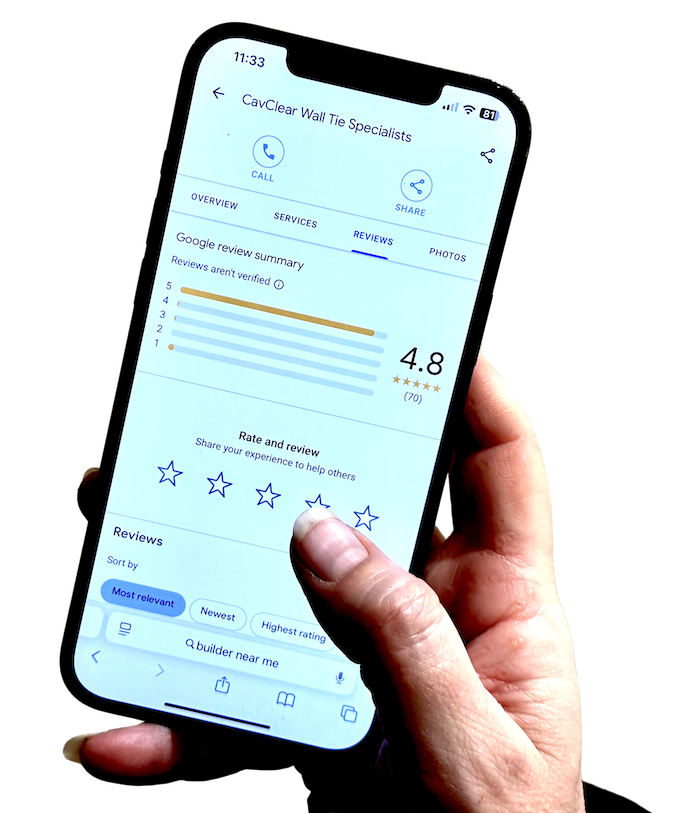
For many local business owners, the phrase reputation management services sounds useful but vague.
They know reputation matters. They know reviews influence trust. They know one poor experience left unanswered can shape how future customers see the business. Reputation management services are about protecting and enhancing a business's online image, ensuring that what people see online builds trust and credibility. But when they start comparing providers, the market often becomes confusing very quickly.
Some services look like software dressed up as support. Some promise impressive-sounding outcomes without clearly explaining how they are achieved. Some focus heavily on dashboards, features, and reports, while the business owner is left wondering a simpler question: will this actually help us build a stronger reputation without creating more work?
That is the point of this guide. Reputation management services are especially important for UK businesses looking to compete and thrive in the UK market, where a strong online image can make a significant difference.
If you are comparing reputation management services, this article explains what the term usually means for a local business, what is genuinely worth paying for, what red flags to avoid, and why a managed approach is often a better fit than a self-serve system for busy local operators.
📖 In plain English
For a local business, reputation management services are there to help improve, maintain, and protect how the business is seen online — in a way that supports trust, visibility, and follow-through.
Introduction to Online Reputation Management
In today’s digital age, a business’s online reputation is one of its most valuable assets. With so many potential customers turning to the internet to research products and services, how your business appears online can make or break your success. Online reputation management is the process of monitoring, maintaining, and improving your digital presence to ensure that your brand image is both accurate and appealing.
Online reputation management services are designed to help businesses and individuals take control of their online narrative by addressing negative content, highlighting positive achievements, and building a resilient online presence that withstands scrutiny.
What reputation management services actually mean for a local business
In plain English, reputation management services are there to help a business improve, maintain, and protect how it is seen online.
For a local business, that usually means helping with things like:
building a stronger flow of genuine customer reviews
improving how the business appears on Google
responding sensibly to customer feedback
reducing the damage caused by neglected negative reviews
creating a more consistent public picture of the business over time
In other words, reputation management is not just about collecting stars. It is about making sure your business looks credible, current, and well-run when people search for you.
That matters because most local buying decisions start when consumers research online. People rely on searching online to assess businesses—they search, compare, scan reviews, notice rating patterns, read recent comments, and make a judgement. A neglected profile can make a good business look weaker than it really is and negatively affect brand perception. A well-managed reputation can help the same business look more trusted, more active, and more established.
For a UK local business, reputation management is usually less about broad brand image and more about practical local visibility and trust. It is about what someone sees when they look up your business name, compare you to nearby competitors, or search for a service in your area.
What most local businesses really need from a reputation service
This is where many comparisons go wrong.
Local businesses are often sold on feature depth when what they really need is consistency, follow-through, and protection. That's why it's important to choose reputation management services that offer tailored solutions designed to meet the unique needs of each business.
A busy owner usually does not wake up wanting more reputation technology. They want fewer missed opportunities, a steadier flow of customer reviews, better handling of feedback, and less risk of the business looking neglected online.
In practical terms, most local businesses need five things.
1. Consistency
The biggest review problem for many local businesses is not quality of service. It is inconsistency of process.
Customers may be happy, but nobody asks properly. Or the business asks occasionally, then stops. Or one member of staff remembers while another does not. A useful reputation service should help make review growth steady rather than accidental. Consistent processes are essential for generating positive reviews and building a strong online reputation.
2. Simplicity
If the service creates another layer of admin, it often fails in real life.
Most local operators do not need more systems to manage. They need something that fits the way the business already works and removes friction rather than adding it.
3. Protection
Reputation is not only about getting more positive feedback. It is also about handling issues properly when negative feedback appears. Addressing negative press, such as damaging articles or misleading reviews, is a crucial part of protecting your reputation.
That does not mean blocking criticism or filtering who can leave a review. It means having a sensible, calm way to protect trust when problems arise, and making sure the business does not look silent, reactive, or careless. Rapid response strategies are essential for managing reputation crises quickly and effectively.
4. Visibility support
Reviews are not just decorative. They influence how the business is perceived in local search and map results. Search engines play a crucial role in determining your business's visibility, as they index and display reviews that impact how potential customers find and judge your business.
That is why reputation work connects so closely with visibility. Effective review management is essential for supporting your local search presence, as it involves actively monitoring, responding to, and handling reviews to maintain a positive online image. If you have already read our guide on what online reputation means for local businesses, you will know that reputation is shaped by visibility, responses, consistency, and customer experience working together.
5. Follow-through
A service only becomes valuable if it helps the business follow through repeatedly.
Many businesses do not need a better explanation of why reviews matter. They need help making the process actually happen week after week. Implementing a proactive strategy is essential to ensure consistent follow-through and to address reputation management before issues arise.
📌 What most local businesses actually need
In practice, most local businesses need consistency, simplicity, protection, visibility support, and follow-through more than feature depth for its own sake.
Search Engine Optimization (SEO) and Reputation Management
Search Engine Optimization (SEO) is a foundational element of effective online reputation management. When potential customers search for your business, what appears on the first page of search engine results can shape their perception before they ever visit your website or contact you. By optimizing your website content, social media profiles, and other digital assets, you can ensure that positive content about your business is more visible, while negative content or reviews are less prominent.
A strong SEO strategy for reputation management includes targeted keyword research, high-quality content creation, and building reputable links to your site. These efforts help to highlight positive reviews, news articles, and testimonials, pushing down any negative content that might otherwise dominate search results. Additionally, regularly updating your online presence and engaging on social media can further strengthen your position in search engine rankings.
Partnering with a reputable reputation management company can make a significant difference. These experts understand how to use search engine optimization to support your reputation goals, ensuring that your business is represented positively across all digital channels. By focusing on both technical SEO and content creation, they help you build a resilient online reputation that stands up to negative reviews or press.
Role of Social Media in Reputation Management
Social media has become a powerful force in shaping a business’s online reputation. Platforms like Facebook, Instagram, and Twitter are where customers often share their experiences—both positive and negative. Because of this, social media management is now a core part of any effective online reputation management strategy.
Actively monitoring your social media channels allows you to respond quickly to customer feedback, address concerns, and thank customers for positive comments. Engaging with your audience in a timely and authentic way helps build trust and shows that your business values its customers. Ignoring social media, on the other hand, can allow negative comments or reviews to go unanswered, potentially harming your reputation.
Investing in social media management tools and strategies enables you to track brand mentions, monitor sentiment, and stay ahead of potential issues before they escalate. By making social media a priority in your reputation management efforts, you can turn customer feedback into an opportunity to strengthen your online reputation and foster lasting loyalty.
Managed service vs self-serve software: what is the practical difference
This is often the most important distinction when comparing providers.
At a glance, two reputation offers may sound similar. Both may mention reviews, automation, customer experience, and reporting. But in practice, the difference between a managed service and self-serve software is significant. It aligns with what many local businesses actually need: outcomes, consistency, and less admin. Managed services are also well-suited to a diverse clientele, effectively addressing the varying needs of businesses ranging from small local shops to large enterprises.
What self-serve software usually means
Self-serve software typically gives the business access to a dashboard or system and expects the owner or team to run the process themselves.
That may include:
setting up requests
deciding timing
writing messages
managing staff usage
monitoring results
checking responses
reviewing feedback patterns
staying on top of follow-up
For some businesses, that can work. But for many local operators, it simply means the burden shifts from one task list to another. The business now has a reputation system, but still has to find the time, attention, and discipline to use it properly.
That is why some owners end up paying for software they barely use.
What a managed service usually means
A managed service is different. The emphasis is on the process being handled properly, not just made available.
That means the value is not just access to features. The value is in consistent execution, practical oversight, and reducing the amount the owner has to manage directly.
For busy local businesses, that often makes far more sense.
Instead of asking the owner to become an in-house reputation manager, a managed approach helps make review growth and reputation care part of a process that is actually carried through.
Why this distinction matters
In theory, self-serve can look cheaper or more flexible. In practice, it often works best for businesses that already have strong internal systems, enough spare time, and someone to manage it consistently.
A lot of local service businesses do not have that.
A garage owner, clinic manager, trades business, salon owner, or independent office-based service is usually not trying to build a reputation workflow from scratch. They are trying to get results without another moving part to supervise.
That is why managed support is often the better fit. It aligns with what many local businesses actually need: outcomes, consistency, and less admin.
⚖️ Practical comparison
Self-serve software usually gives you access and expects you to run the process yourself.
Managed service focuses on making sure the process is actually carried through with steady execution and less admin for the owner.
What to look for when comparing reputation management services
Once you understand the difference between access and execution, the comparison becomes clearer.
Here are the main things worth looking for. It's essential to choose a reputation management services provider with a proven track record, as this demonstrates their experience, transparency, and ability to deliver consistent results.
A service that understands local-business reality
Local businesses operate differently from larger organisations. Teams are smaller, time is tighter, and daily work is less predictable. Reputation management services need to support both new ventures and established businesses, addressing the unique challenges each faces.
A useful reputation service should reflect that. It should sound like it understands handovers, customer follow-up, front-desk pressure, busy diaries, and inconsistent staff bandwidth. If the offer feels written for a marketing department, it may not fit a local operator very well.
A clear explanation of how reputation improvement actually happens
If the provider cannot explain the process in straightforward terms, that is a warning sign.
You should be able to understand:
how review opportunities are created
how consistency is maintained
how customer follow-up is handled
how feedback is monitored or responded to
how the process avoids relying on staff memory alone
Vague promises are not enough. The service should be able to explain the mechanism, not just the outcome.
Practical support rather than feature overload
A long feature list is not the same as practical value.
Many businesses do not need advanced layers of settings, workflows, and reporting if they still have to manage it all themselves. What matters more is whether the service reduces workload while improving consistency.
A sensible approach to review growth
Reputation work should focus on calm, steady improvement. Positive customer reviews play a crucial role in building a strong reputation, so encouraging and sharing them should be a key part of your strategy.
Look for providers that emphasise genuine customer feedback, realistic process improvement, and consistency over gimmicks. The best services tend to sound grounded rather than flashy.
Proper handling of negative feedback
Any provider worth considering should recognise that reputation work is not only about getting more reviews. Effective corporate reputation management involves addressing criticism directly and implementing strategies to protect and enhance brand trust.
That means helping the business respond professionally and protect trust, not pretending negative feedback can simply be wished away.
Compliance and fairness
This matters.
Be cautious of any service that sounds like it filters who can reach Google based on sentiment or only encourages selected customers to leave public feedback. All customers should still be able to leave a Google review regardless of rating.
A reputable provider should not imply that criticism can be screened out or that only happy customers are allowed through. Growth should come from better process and stronger follow-through, not from manipulating who gets access.
Building a Strong Online Brand
A strong online brand is the cornerstone of a positive online reputation. Consistency across your website, social media profiles, and review sites helps customers recognize and trust your business. Your online brand should clearly communicate your values, mission, and what sets you apart from competitors.
Establishing a professional and unified presence online not only attracts new customers but also encourages repeat business and referrals. When your brand is well-defined and consistently presented, it reassures potential customers that your business is credible and reliable.
Online reputation management experts can help you develop a comprehensive brand strategy that aligns with your business goals. This includes optimizing your profiles on review sites, maintaining active and engaging social media accounts, and ensuring that your messaging is clear and consistent everywhere your business appears online. By investing in your online brand, you lay the groundwork for long-term business growth and stronger customer trust.
Red flags to watch for when choosing a provider
When comparing online reputation management services or online reputation services, it helps to know what should make you pause. Be cautious of any reputation management agency that overpromises quick results or lacks transparency in their methods.
Red flag 1: The offer sounds impressive but unclear
If the service talks a lot about transforming your online presence but says very little about the day-to-day process, be careful.
You should not have to decode what the provider is actually doing.
Red flag 2: Too much emphasis on dashboards and not enough on outcomes
There is nothing wrong with visibility or reporting, but too much emphasis on the interface can be a sign that the real burden still sits with you.
If the service sounds like another system you will need to learn, supervise, and keep alive internally, it may not remove enough work to justify the cost.
Red flag 3: Overpromising
Be cautious of hype, urgency, or claims that sound too neat.
A local reputation does not become healthier overnight. Good reputation improvement is usually steady, credible, and cumulative. Services that promise instant transformation often rely on language that sounds stronger than the actual support.
Red flag 4: Implying negative reviews can be blocked
No provider should suggest that criticism can simply be filtered out, prevented, or hidden through clever process.
That is not a sensible or trustworthy reputation strategy. A good service should help the business deal with negative feedback well, not pretend it can make it disappear.
Red flag 5: The service creates more admin than it removes
This is one of the biggest practical red flags.
If you come away from the demo thinking, “This looks useful, but I can already tell nobody here will keep on top of it,” that is important. A reputation service should lighten the operational load, not quietly increase it.
⚠️ Red flag
If the service sounds like another system you will need to learn, supervise, and keep alive internally, it may not remove enough work to justify the cost.
Reputation Recovery and Crisis Management
Even the most reputable businesses can face a reputation crisis, whether from a negative review, unfavorable press, or a social media incident. How you respond in these moments can make all the difference. Reputation recovery and crisis management are essential parts of online reputation management, helping you minimize damage and restore trust quickly.
A well-prepared crisis management plan includes clear steps for responding to negative feedback, suppressing negative search results, and promoting positive content to shift the narrative. Acting swiftly and transparently shows customers that you take their concerns seriously and are committed to resolving issues.
Reputation management experts can guide you through the process, offering advice on communication strategies and helping you implement a proactive approach to reputation recovery. By having a plan in place before a crisis hits, you can protect your online reputation and ensure your business emerges stronger from any challenge.
Why review growth and reputation protection need to work together
Some businesses think of these as separate topics.
They are not.
Review growth and reputation protection are closely linked because they both shape what customers see when they assess the business online. Managing your digital reputation and monitoring your brand online are essential to ensure that your business is presented in the best possible light across all digital platforms.
That is why reputation management should be seen as a joined-up process, not two separate jobs. The ultimate goal is to build and maintain a positive reputation that drives trust, growth, and long-term success.
Review growth builds visible trust
A stronger flow of genuine reviews helps show that the business is active, current, and used by real customers. That supports confidence and local credibility.
Reputation protection preserves confidence
When criticism appears, how it is handled matters. A calm, professional response can preserve trust even when the original review is not positive. A defensive, inconsistent, or absent response can do the opposite.
One without the other is incomplete
A business that gets more reviews but neglects negative feedback is still exposed. A business that responds politely to criticism but never builds review momentum can still look quiet or weak compared with competitors.
That is why reputation management should be seen as a joined-up process, not two separate jobs.
If you want to understand the review side in more detail, our guide on can you remove Google reviews? explains what happens when criticism appears and what practical steps businesses can take next. It also helps to read our article on what online reputation means for a local business, because it shows how trust and visibility work together in day-to-day reality.
Measuring Online Reputation
Understanding how your business is perceived online is crucial for effective reputation management. Measuring your online reputation involves tracking key metrics such as social media engagement, review ratings, search engine rankings, and brand mentions across various platforms.
Regularly monitoring these indicators helps you identify trends, spot potential issues early, and evaluate the impact of your reputation management strategies. With the right data, you can make informed decisions to enhance your online reputation and address any weaknesses.
Online reputation management experts can help you set up a comprehensive measurement plan, selecting the most relevant KPIs for your business and providing actionable insights. By keeping a close eye on your online reputation, you can adapt your approach as needed and ensure your business maintains a positive and resilient presence in the digital world.
What a sensible reputation process looks like for a busy local business
A useful reputation process should not feel elaborate. It should feel manageable.
For most local businesses, a sensible process includes:
a clear way of asking customers for reviews consistently
timing that fits real service delivery
simple communication that does not feel awkward or forced
a route that allows all customers to leave a Google review regardless of rating
monitoring of review activity over time
calm handling of negative feedback when it appears
enough structure that the process does not depend on memory alone
Managing personal reputation and personal brand is also crucial for business owners and professionals, as it directly impacts credibility, authority, and future opportunities.
That last point matters a lot.
One of the biggest differences between a weak and a healthy online reputation is whether the business is relying on occasional effort or a repeatable process. Occasional effort creates gaps. Repeatable process creates momentum.
A consistent process helps shape a positive online narrative and builds a resilient online presence that can withstand negative feedback or misinformation.
For a busy owner, “good” does not need to mean complicated. It usually means the basics are handled consistently and professionally.
🔧 What a sensible process usually includes
A clear review-asking process, timing that fits real service delivery, simple communication, a route that allows all customers to leave a Google review regardless of rating, monitoring over time, calm handling of negative feedback, and enough structure that the process does not rely on memory alone.
How to choose a service that fits your business without adding more admin
This is the question most business owners are really asking.
Not, “Which service has the longest feature list?” but, “Which option actually fits the way we operate?” Choosing a reputation management service that proactively safeguards your brand's future is crucial for long-term success.
A good fit usually comes down to a few practical questions.
Will this reduce workload or just rearrange it?
Be honest about whether the service removes effort or simply moves that effort into a new dashboard.
If your team is already stretched, the wrong system can create friction very quickly.
Is the process easy to understand?
You should be able to grasp how the service works without needing a long technical explanation. If the process sounds clear and sensible, that is usually a good sign.
Does it match the size and pace of your business?
A small local business needs something proportionate. It does not need enterprise complexity. It needs steady execution, clarity, and support that makes sense for a busy working environment.
Does it focus on outcomes you actually care about?
Those outcomes are usually things like:
more consistent review growth
a stronger public profile
better handling of visible feedback
less reliance on memory and ad hoc effort
reduced admin for the owner or staff
If the service drifts too far from those outcomes, it may not be solving the real problem.
Does it feel calm and credible?
That matters more than it may seem.
Reputation work should feel measured, practical, and trustworthy. If the provider sounds overly aggressive, overly technical, or overly dramatic, it may not be the right fit for a local business that simply wants steady improvement.
Final thoughts
A lot of reputation management services sound similar on the surface, but the real difference often comes down to this: are you being given another system to manage, or are you getting practical support that actually helps the process happen?
For most local businesses, what matters is not feature depth for its own sake. It is consistency, protection, visibility, and follow-through.
That means the best provider is usually not the one with the most complicated setup. It is the one that helps the business build and protect its reputation in a way that is steady, realistic, and manageable.
A sensible service should help you look stronger online without creating more work behind the scenes. It should improve review consistency, support reputation protection, and fit the day-to-day reality of a busy local operation.
That is why a managed approach is often the better option. It keeps the focus on outcomes rather than dashboards, and on real operational follow-through rather than good intentions.
If you want a managed option for steady review growth and reputation protection, TR4U is built around that approach.
Want to See What Managed Reputation Support Looks Like in Practice?
Trusted Reviews 4U is built for local businesses that want steady review growth and reputation protection without taking on more admin. It is a managed approach focused on follow-through, consistency, and practical support. Try the demo →